

How we create impact
We believe the most scalable and durable improvements for aquatic life come from upstream influence.
They’re made in the policies governments adopt, the standards industries follow, and the expectations companies demand. Especially in a sector as vast, global, and under-regulated as aquatic animal production, upstream levers such as standards and policy have the potential to improve conditions for orders of magnitude more animals, faster.
Our role is to create enabling conditions so that on-the-ground improvements can take root, spread, and endure. We work where the rules are written and incentives set, turning better practice from exception to norm.




— NOW AVAILABLE2025 Annual Report
Check out Aquatic Life Institute’s 2025 Annual Report to explore key case studies and learn more about our theory of change


Aquatic Life Institute’s Theory of Change

Aquatic animal welfare is recognized, protected, and prioritized in the global food system.
We measure systems change in our work by capturing how our upstream influence on policies, standards, and market actors drives external outcomes, such as:
a certification standard being revised and strengthened
policy language being introduced or strengthened
a corporate sourcing requirement being adopted or updated
Changing outcomes for aquatic animals at scale requires changing the nature of these systems - and creating new outcomes. We work to create fundamental shifts - influencing the policies, standards, and market forces that define what welfare considerations include across entire industries.
We track systems change through three strategic indicators: Recognition, Protection, and Prioritization (RPP). This stage-based understanding of systemic transformation allows us to track how welfare progresses from visibility, to formal safeguards, to being embedded as a decision-making priority across institutions. This framing captures the cumulative nature of our activities.


Recognition:
Making aquatic welfare visible and legitimate in global dialogues
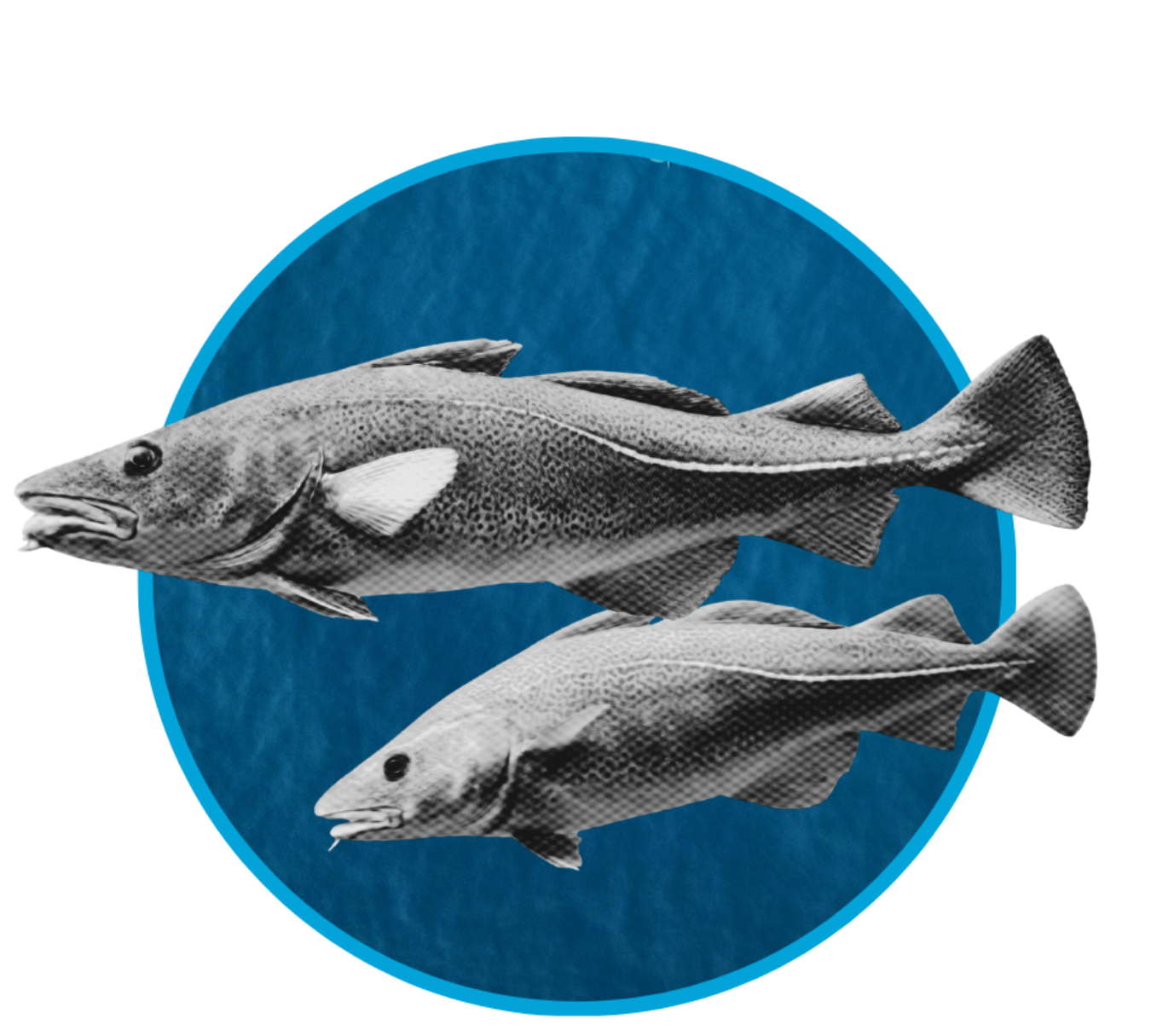
Protection:
Converting welfare norms into formal standards and laws
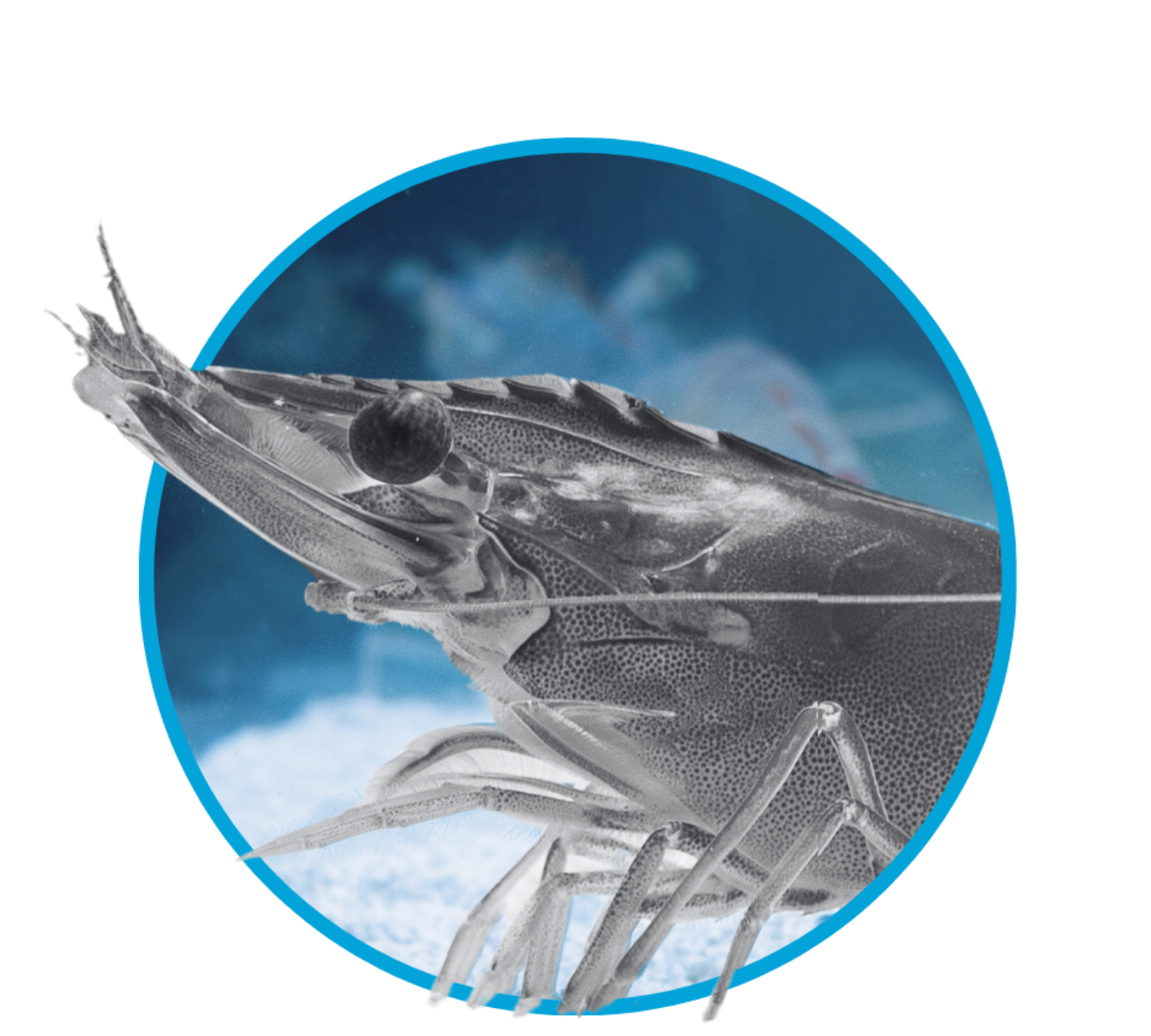
Prioritization:
Embedding welfare into high-level decisions
Our Key Impact Metrics
We work where these systems are actively defined and updated:
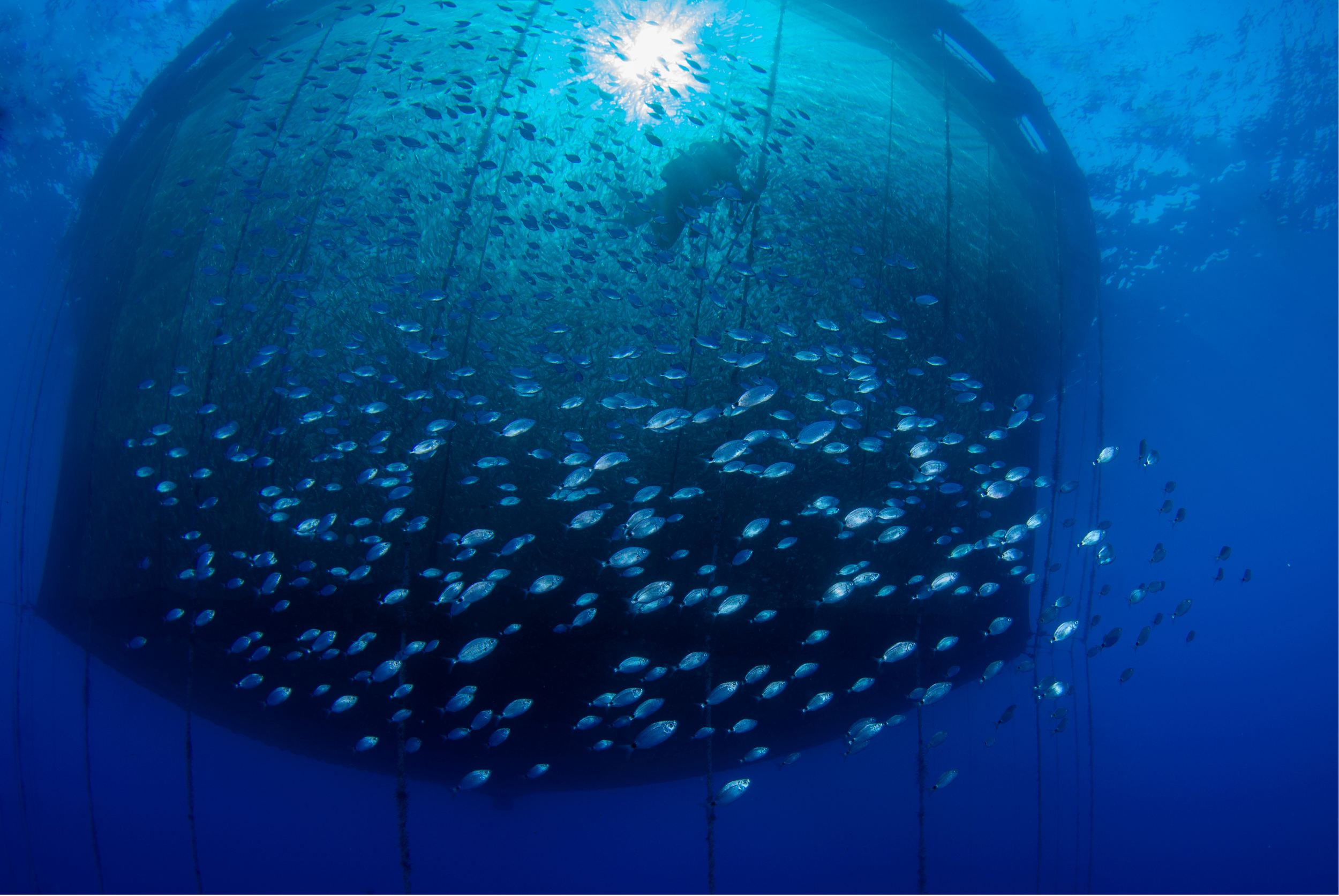
Certification Systems Impact
Animal welfare is translated into production requirements that apply across global supply chains
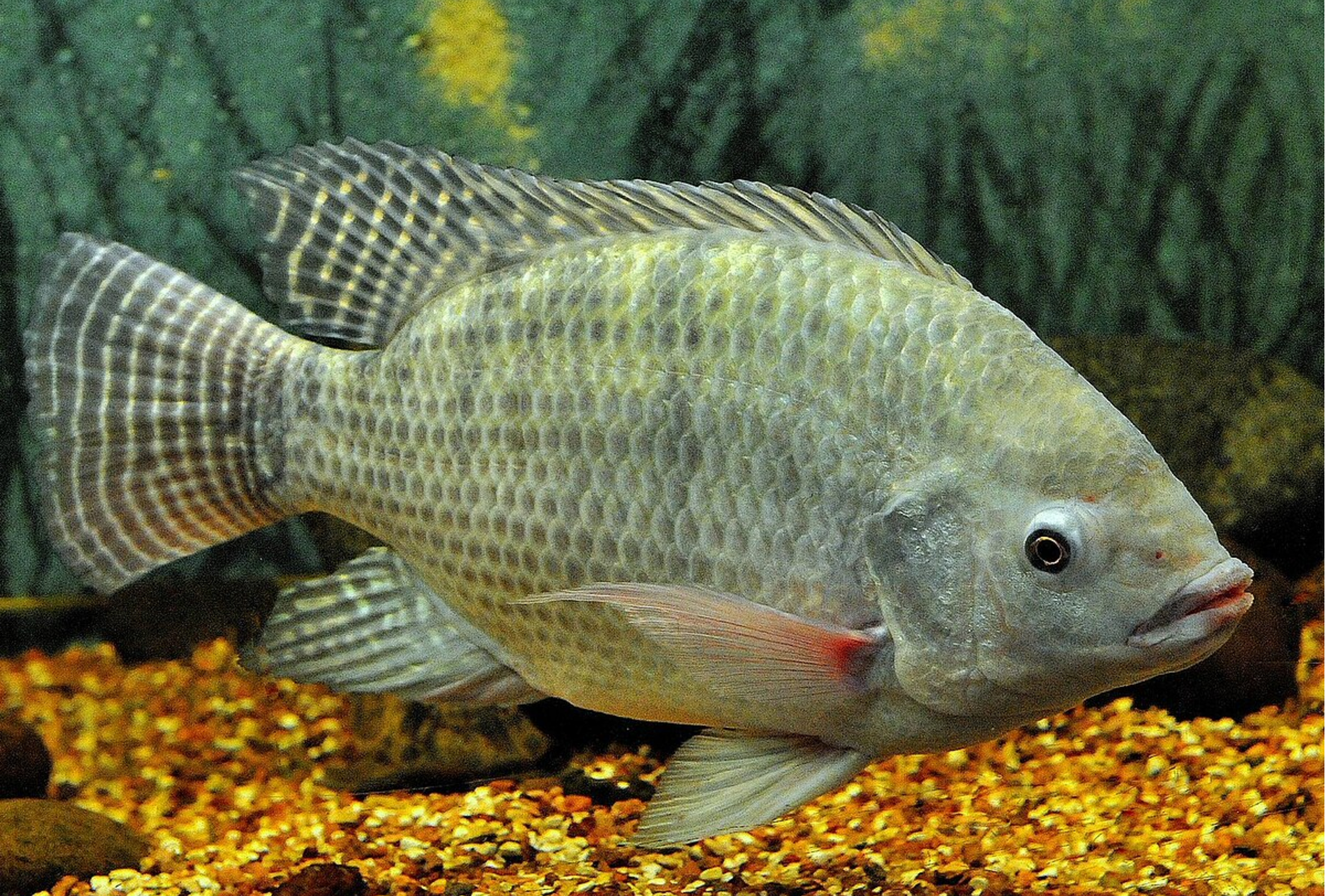
Corporate Procurement Systems Impact
Sourcing requirements determine aquatic animal welfare considerations that suppliers must implement in practice
Policy and Regulatory Processes Impact
Animal welfare is formalized into law, guidance, and governance frameworks


Coalition and Multi-stakeholder Impact
Alignment and pressure influence whether changes are adopted and sustained
Evidence of Upstream Influence
Explore Impact Highlights from Our Blog